
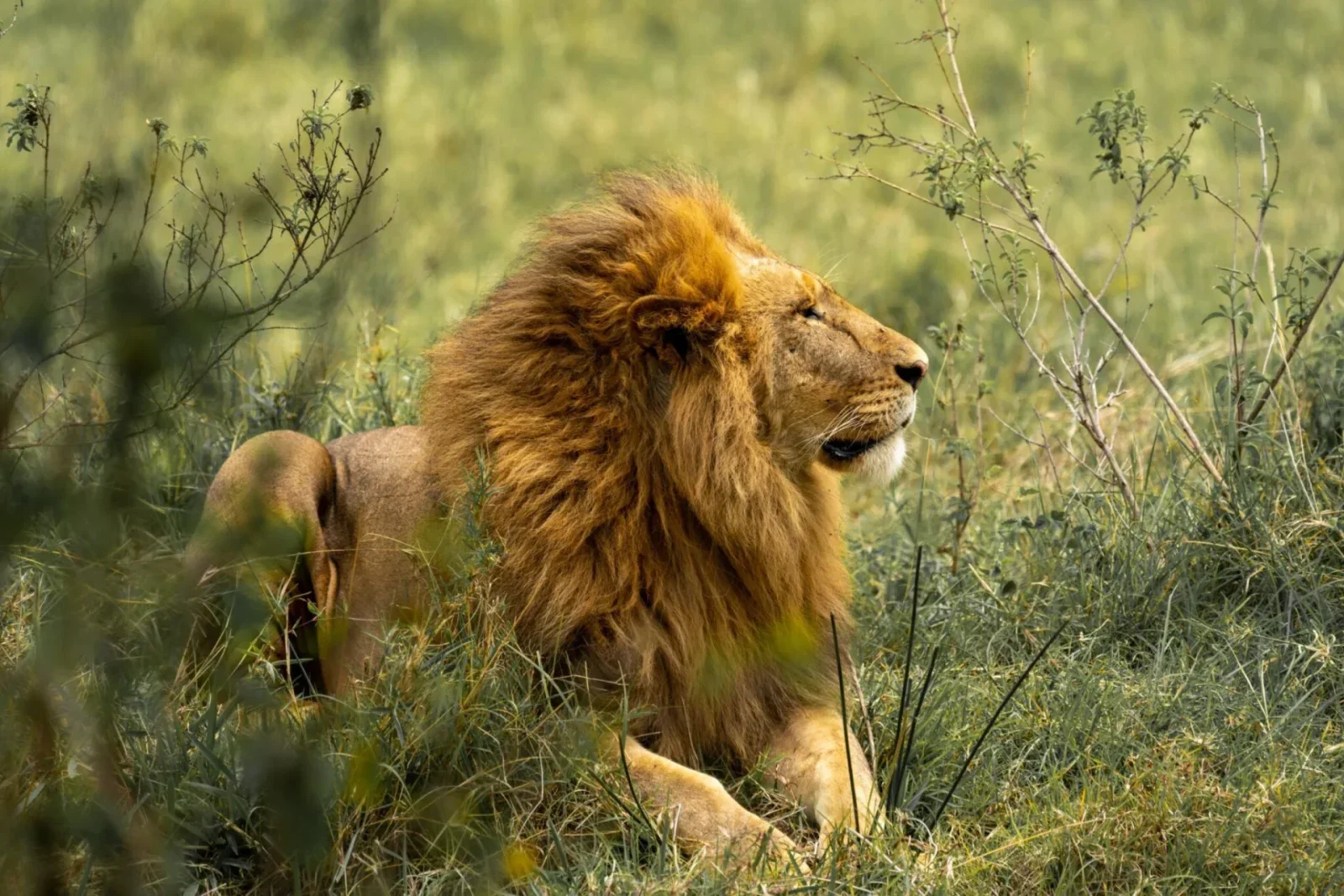
Tanzania Safari Destination
Ngorongoro Crater
the highest density of predators in Africa within a single, self-contained caldera
Destination overview
Why visit Ngorongoro Crater?
the highest density of predators in Africa within a single, self-contained caldera
A safari here can be planned as a focused wildlife journey or connected with other leading destinations in Tanzania. Our local safari specialists help with routing, accommodation choices, realistic driving times and the best sequence of parks for your travel dates.
Best wildlife timing
Travel planning is matched to seasonal wildlife activity, weather patterns and the experience you want most.
Smarter safari routing
We connect this destination with nearby parks while reducing unnecessary driving and rushed overnight stays.
Handpicked accommodation
Choose from comfortable camps, intimate lodges, family options and premium properties close to wildlife areas.
Private local expertise
Travel with knowledgeable guides who understand the landscape, wildlife behaviour and practical safari logistics.
Why visit Ngorongoro Crater
Ngorongoro Crater (260 km² caldera floor) is known for the highest density of predators in Africa within a single, self-contained caldera. Wildlife regularly seen here includes black rhino, lion, hyena, flamingo, elephant.
When to go
The best time to visit is year-round, driest and clearest June to October.
For seasonal planning, read our Great Migration month-by-month guide or compare available Tanzania safari tours.
Wildlife & Ecology
The crater floor is one of the few places in Tanzania where black rhino can still reliably be seen, alongside a dense, largely non-migratory population of lion, hyena, elephant and buffalo confined within the caldera's 2,000-foot walls. A soda lake on the crater floor draws flamingos in their thousands during the wetter months.
Getting There
The crater sits roughly 180km (2.5–3 hours by road) west of Arusha via Karatu. Access to the crater floor itself is via a single steep descent road, with vehicle numbers capped by a daily quota system — most lodges book crater descent slots in advance.
For official conservation information, park regulations and visitor updates, consult the Tanzania National Parks Authority .
Destinations that pair well with Ngorongoro Crater
the Serengeti and Lake Manyara can be combined with Ngorongoro Crater to create a more complete safari route.
Browse all safari destinations or request a custom itinerary from our local team.
Recommended safari ideas
Safari tours for Ngorongoro Crater
Explore suitable itineraries or use them as inspiration for a private safari designed around your dates, preferred comfort level and travel pace.
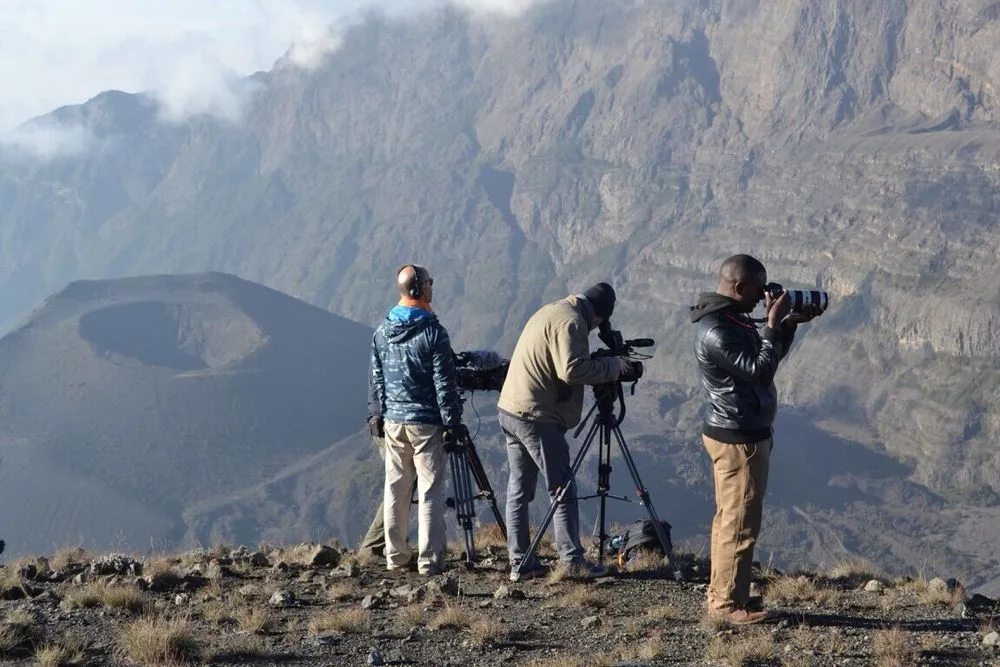
7-Day Wildlife Photography Workshop
From $1,050 per person
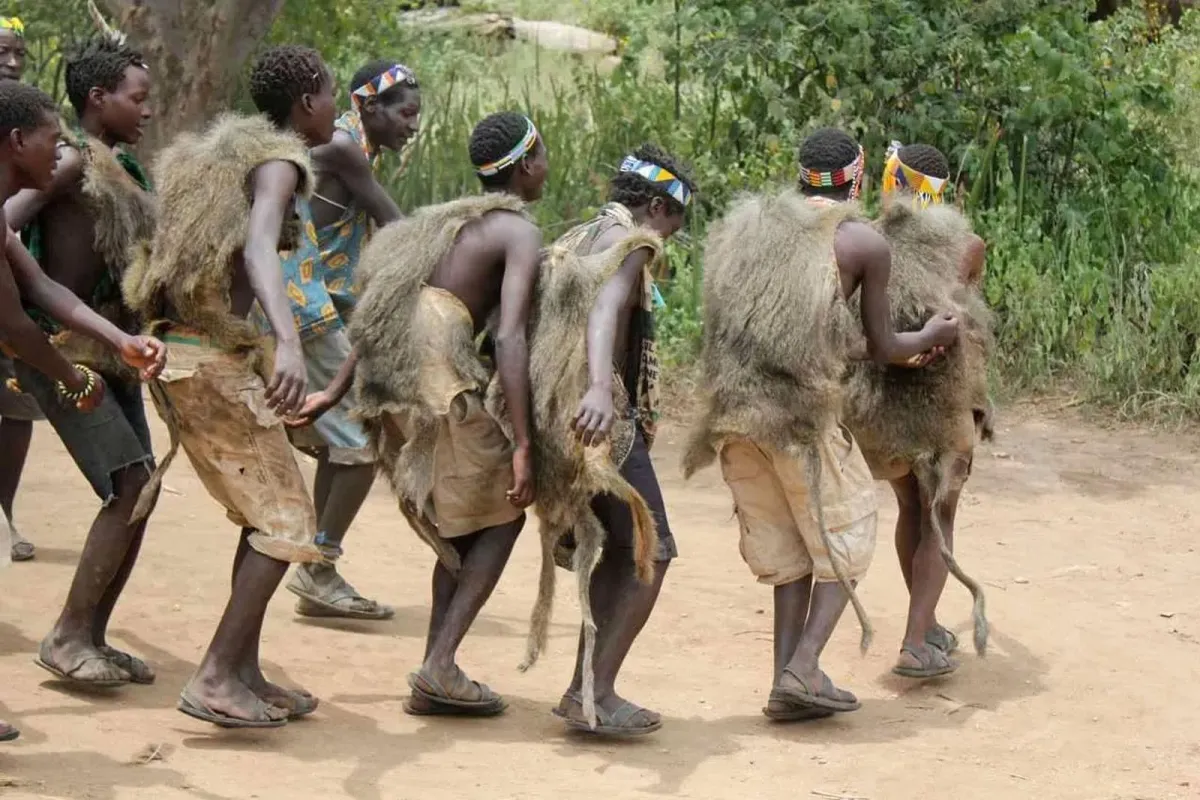
10-Day Indigenous Communities Study Tour
From $1,500 per person
8-Day Hadzabe Anthropology Expedition
From $1,200 per person
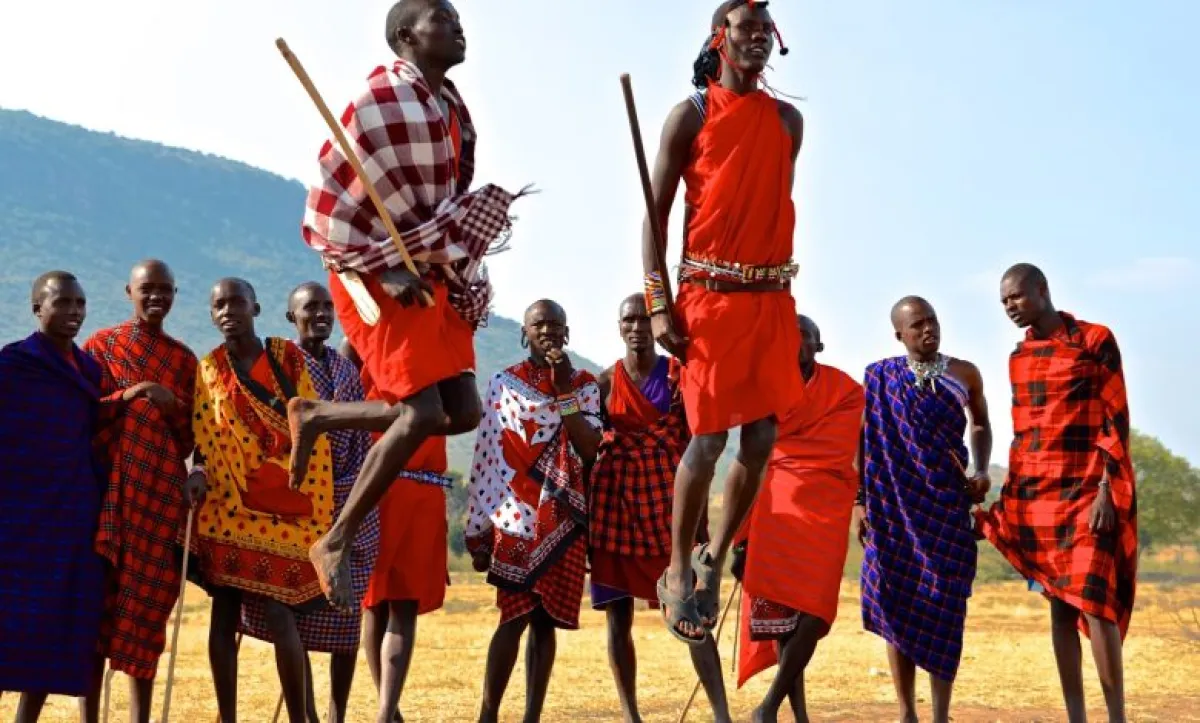
6-Day Maasai Cultural Immersion
From $900 per person
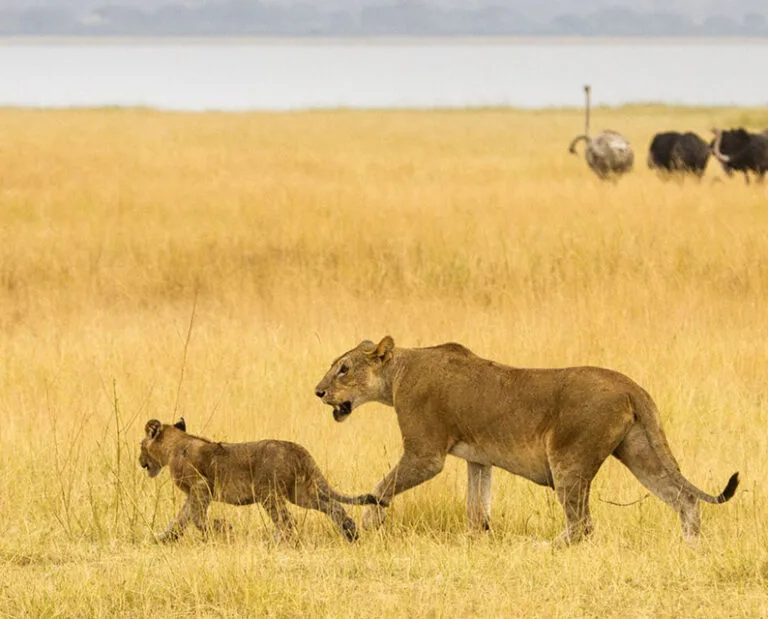
9-Day Great Rift Valley Educational Safari
From $1,350 per person
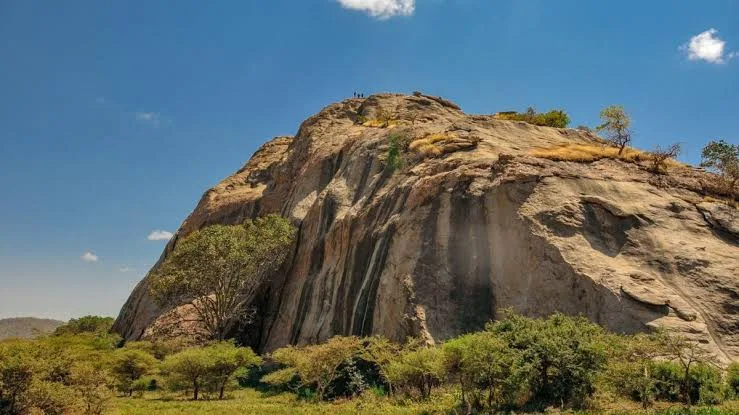
8-Day Ngorongoro Geological Expedition
From $1,200 per person
Planning questions
Ngorongoro Crater safari FAQs
The recommended period is year-round, driest and clearest June to October. The ideal timing can still vary according to wildlife movements, rainfall, road conditions and the safari experience you want.
Wildlife highlights may include black rhino, lion, hyena, flamingo, elephant. Sightings are always natural and cannot be guaranteed, but an experienced guide greatly improves the quality of the safari.
Most travellers should allow at least two to three days, although the best duration depends on travel time, nearby destinations and whether you prefer a relaxed or fast-paced itinerary.
Yes. It combines especially well with the Serengeti and Lake Manyara. We can connect the destinations into one private, tailor-made itinerary.
Ready to visit Ngorongoro Crater?
Tell our safari experts your travel dates, number of travellers and preferred comfort level. We will help you build a practical, private and memorable itinerary.